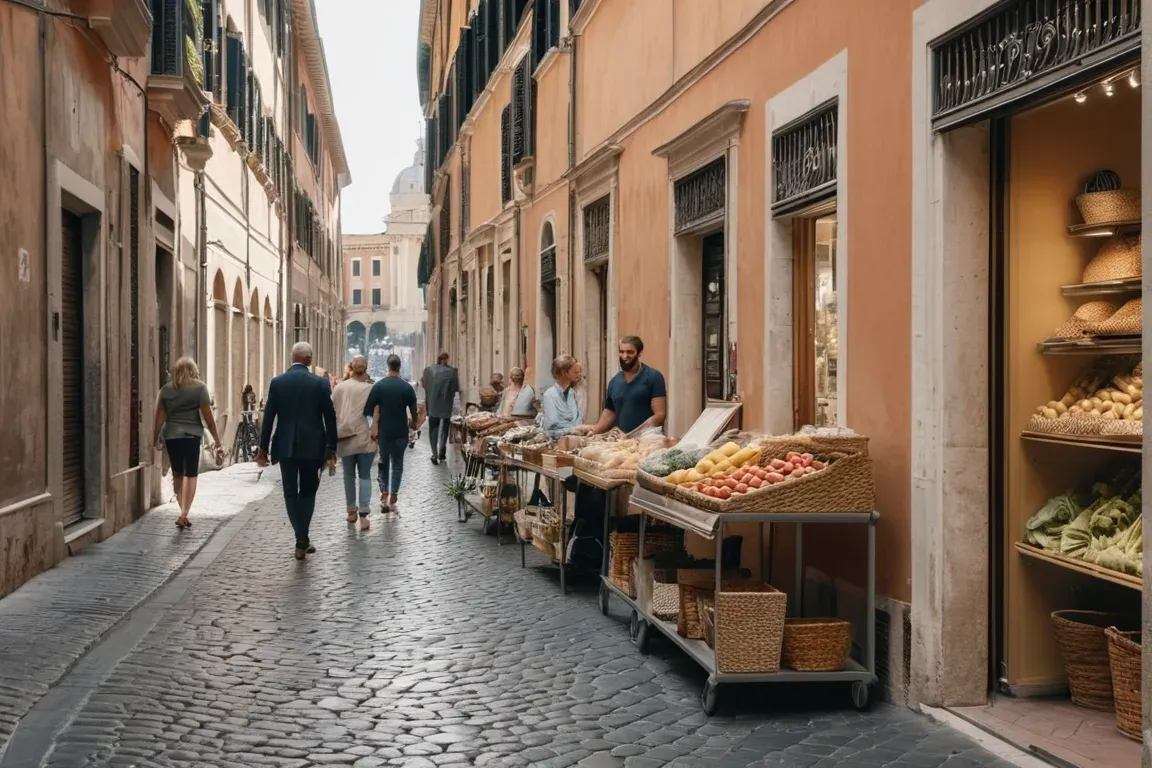
Free Things to Do in Rome
Rome is a city that never sleeps, offering an endless array of free and memorable experiences. if you need history buff, foodie, or simply looking for a break from the crowds, this guide will help you discover some of the best things to do in Rome without breaking the bank. read more travel guides
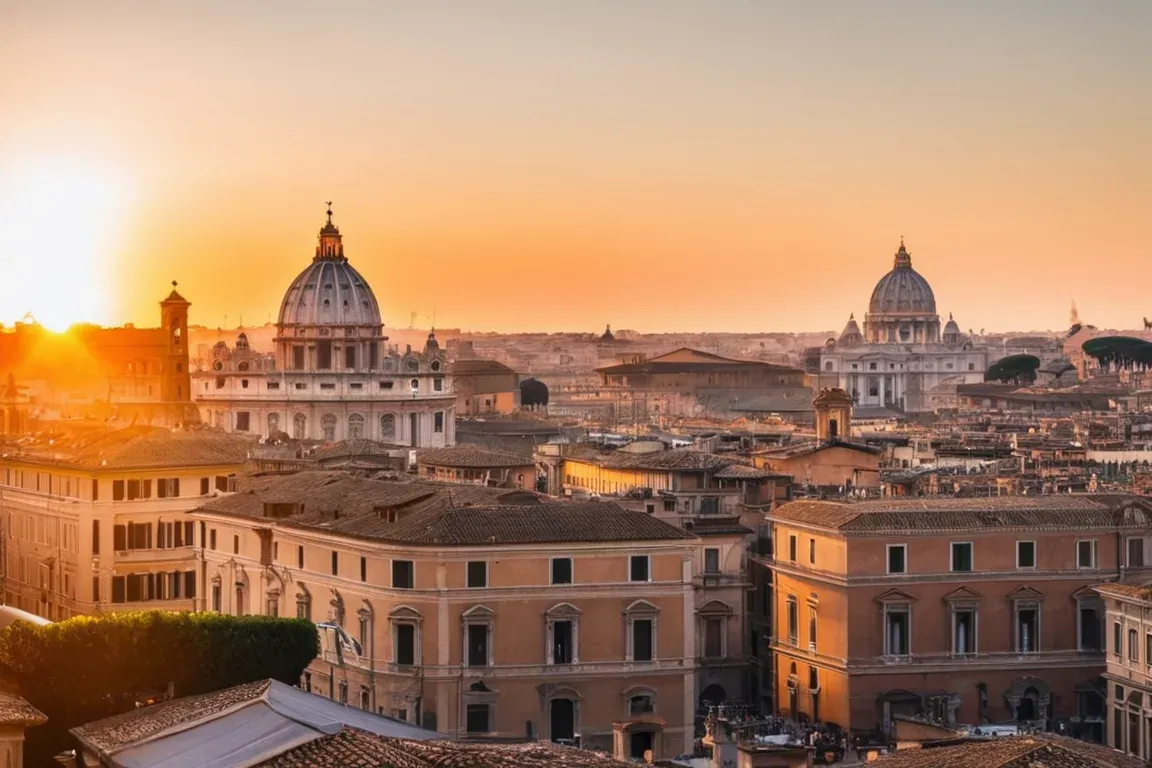
Explore the Colosseum
The Colosseum is one of the most iconic sights in Rome. While it does require an entrance fee, the views from the top are absolutely worth it. Consider joining a free guided tour led by enthusiastic locals who can share fascinating historical anecdotes.
- Best time to visit: November to May
- Getting there: fly via Manila or Cebu
- Local currency: PHP (Philippine Peso)
- Language: English and Filipino
Price: Free (Entrance Fee) - $25-$40 per person (guided tours)
Dine at an Ancient Roman Restaurant
Free things to do rome is key here. Rome has more than its fair share of restaurants that pay homage to the city's rich history. The Pio-Clementino Museum offers a fascinating culinary experience with their "Culina Romana" restaurant, which serves traditional Roman food.
Price: Free - $10 per person
Browse the Catacombs of San Sebastiano
Free things to do rome is key here. The Catacombs of Saint Sebastian offer a unique and free glimpse into Rome's past. This ancient burial ground dates back to the 4th century AD, offering visitors a window into Christian burial practices during that time.
Price: Free - $10 per person for guided tours
Visit the Spanish Steps
Free things to do rome is key here. The Spanish Steps are one of Rome's most famous landmarks and can be explored completely free of charge. While there isn't much to see on the top level, the stairway itself is impressive and provides a great view of the city below.
Price: Free - $5 per person
Attend an Ancient Roman Market (Fiera Antica)
Free things to do rome is key here. Fairs in ancient Rome were more than just entertainment; they were markets where people could buy fresh produce, crafts, and other items. The Fiera Antica in Trastevere is a living museum of sorts that features everything from live music to artisans selling their wares.
Price: Free - $5 per person for admission
Hike the Appian Way
Free things to do rome is key here. The Appian Way, one of Rome's most historic and well-preserved roads, offers beautiful views of the city as you walk. You can explore this ancient Roman road for free, though it does require some physical effort.
Price: Free - $15-$20 per person (adventurous hikes)
Breathe in the Air of the Forum
Free things to do rome is key here. The Forum is one of Rome's most sacred and historic sites. While you can't enter it without a guided tour, there are many free events that take place within or near the Forum.
Price: Free - $10 per person for some events (guided tours)
Bask in the Atmosphere of the Trevi Fountain
Free things to do rome is key here. The Trevi Fountain is a must-see, but don't expect to be able to spend any time inside. While you can walk around it for free, if you're staying overnight, consider purchasing an entry ticket to enjoy more of the fountain's beauty and history.
Price: Free (Outside) - $10-$20 per person (inside)
Free things to do rome is key here. Rome is full of free experiences waiting just steps away from your hotel. Whether it's exploring ancient ruins or savoring delicious food, there are plenty of ways to immerse yourself in the city without breaking the bank.
Lake Gardaspi: A quiet spot in Rome
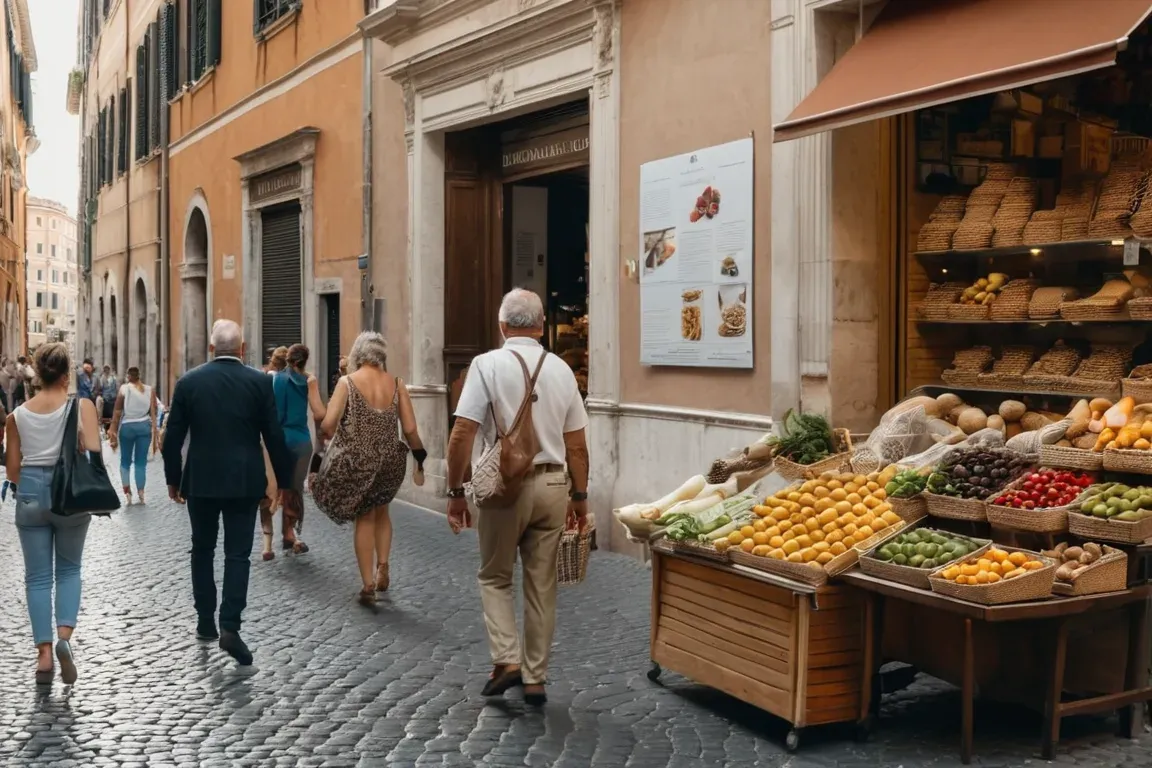
Cultural Dining Experience: Roman Cuisine in a Contemporary Setting
For those seeking an authentic taste of ancient Rome without leaving the modern world, the 'Roman Dine Out' is the perfect option. This concept combines traditional Roman flavors with contemporary twists to create dishes that transport diners back in time. With menus like "Pasta Roman Style" featuring classic pasta dishes made from fresh ingredients sourced locally and a selection of Roman-inspired cocktails, you can indulge in a meal that pays homage to Rome's culinary past.Hiking the Appian Way: A Historical Journey
The Appian Way isnt just any path; it's a historical journey through time, leading travelers on a footpath that connects Rome with southern Italy. Walking along this ancient road offers not only striking views but also an opportunity to uncover the stories of Roman history and culture. If youve time for more of an adventure, consider adding some challenging climbs like Monte Alban for panoramic views or the climb up Mount Vesuvius to see the volcanic landscape.Trip Planning Tips: Balancing Time with Adventure
Planning a trip to Rome often requires careful consideration of your schedule and interests. Here are some tips to help you make the most out of your visit: - Timing: The best time to visit Rome is from May to August when temperatures are mild, and events like the Festival of San Lorenzo or La Festa del Mare (Rome's birthday) add a lively atmosphere. - Budgeting: While many sites offer free entry or reduced prices for students, be prepared to pay for some tours or attractions if you're planning a more in-depth visit. Consider purchasing a Roma Pass that offers discounts on multiple tourist spots.Frequently Asked Questions
1. Can I get discounts at Roman sites with the Roma Pass? Absolutely! The Roma Pass allows holders access to numerous museums, historical sites, and cultural attractions across Rome for a single price. You can save up to 50% off many tickets, making your visit more budget-friendly. 2. What are some quiet spots in Rome that locals know about? quiet spots often include lesser-known parks like the Parco del Torlonia or the Villa Borghese gardens, which offer serene settings away from the city's hustle and bustle. Additionally, exploring local markets, such as Mercato Centrale for a mix of traditional Roman goods and contemporary art, can provide an authentic experience. 3. Are there any outdoor activities that are particularly popular among tourists? While Rome is known for its busy streets and ancient ruins, outdoor enthusiasts might enjoy visiting the nearby beaches in Tuscany or Umbria (such as those at Capolago or Montecchio Maggiore) where you can enjoy Mediterranean sunsets while soaking up some fresh sea air. 4. What's the best way to experience Roman history without a guide? One of the most effective ways to immerse yourself in Rome's rich history is by taking self-guided tours that offer detailed commentary on each site. Apps like Google Maps can help you plan your route, and many historical sites have their own walking or guided tour apps. Remember, Rome has plenty to enjoy-whether it's ancient history, modern culture, beautiful landscapes, or just a quiet moment to reflect. So whether you're looking to dive deep into the city's past or enjoy some of its more relaxed moments in nature, there's always a way to make your visit truly memorable.The Eternal City's quiet spot: Lake Gardaspi
Lake Gardaspi, located in the Alban Hills outside Rome, is an often overlooked but truly magical destination. It's a serene lake surrounded by ancient olive groves and vineyards that have been part of the Roman landscape for centuries. The area offers a perfect escape from the busy city center, providing a tranquil setting to relax or engage in nature-focused activities.Hiking the Appian Way: A Cultural Journey Through Time
The Appian Way, one of Rome's most famous ancient roads, stretches over 50 miles and has been used since the 7th century BC. Today, it serves as a popular hiking trail that takes you through pretty landscapes, from rolling hills to scenic canyons carved by nature.Attending an Ancient Roman Market (Fiera Antica): A Step Back in Time
The Fiera Antica isnt just a market; it's a living museum where ancient traditions are still celebrated. Visitors can sample authentic Roman cuisine, shop for antiques, and watch as artisans demonstrate traditional crafts.Sample Cost Breakdown:
- Entrance fee: €6 - Food tasting: Approximately €20 per meal (varies by restaurant) - Souvenir shopping: Varies but typically around €10 to €50Conclusion
Rome offers a rich mix of experiences, and exploring these lesser-known gems like Lake Gardaspi, the ancient markets, hiking trails, and cultural dining can add depth to any trip. Each experience provides an opportunity to reconnect with Rome's history, culture, and nature in unique ways that go beyond the typical tourist routes.